
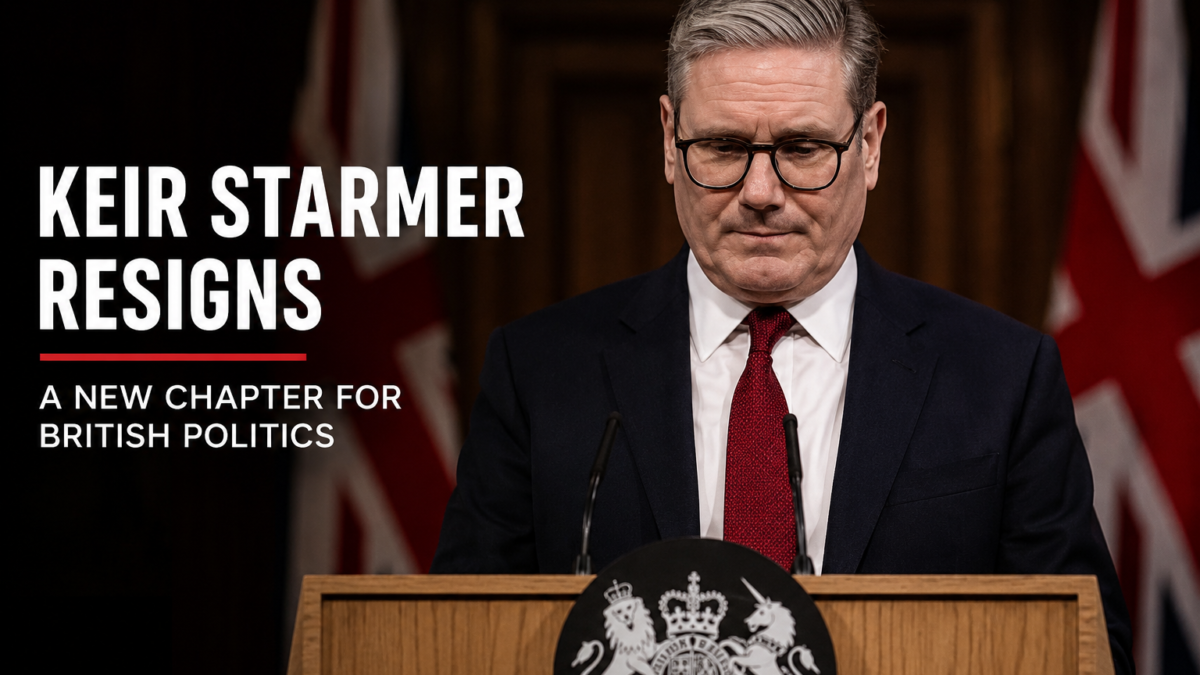
The resignation of Keir Starmer has sent shockwaves through Westminster and across the United Kingdom. As Prime Minister and leader of the Labour Party, Starmer played a central role in shaping the country’s political landscape during a period marked by economic challenges, public service pressures, and significant political debate. His departure raises important questions about the future of Labour, the direction of the government, and the wider state of British politics.
For supporters, Starmer’s leadership represented stability, professionalism, and a return to pragmatic politics. For critics, his time in office was characterised by difficult compromises, policy disagreements, and unmet expectations. Regardless of political opinion, his resignation marks a significant moment in modern UK political history.
Keir Starmer’s Rise to Power
Keir Starmer entered national politics with a reputation for competence and public service. Before becoming a Member of Parliament, he built a distinguished legal career and served as Director of Public Prosecutions. His background gave him credibility among voters looking for experienced leadership.
After becoming leader of the Labour Party, Starmer focused on rebuilding public trust and improving Labour’s electoral prospects. Following years of internal divisions and electoral setbacks, he sought to reposition the party as a credible alternative government.
His efforts eventually paid off, with Labour returning to power and ending a lengthy period of Conservative government. The election victory was widely seen as a remarkable political achievement and a testament to Starmer’s determination to modernise the party.
Why Did Keir Starmer Resign?
Political resignations rarely occur because of a single event. Instead, they are often the result of a combination of factors that gradually erode support.
Several issues contributed to growing pressure on Starmer’s leadership:
Economic Challenges
Like many leaders around the world, Starmer faced difficult economic conditions. Concerns about inflation, public spending, taxation, and economic growth created significant political pressure. Governments are often judged on their ability to improve living standards, and economic uncertainty can quickly affect public confidence.
Internal Party Tensions
Managing a major political party is never easy. Labour contains a broad coalition of views ranging from the centre-left to more progressive wings of the party. Balancing these interests proved challenging, and disagreements over policy priorities became increasingly visible.
Public Expectations
Election victories often create enormous expectations among voters. Supporters hoped for rapid improvements in healthcare, housing, public services, and economic opportunity. Delivering meaningful change within the constraints of government can be difficult, leading to frustration among both supporters and critics.
Electoral Pressure
Political leaders are constantly assessed by election results, opinion polls, and public sentiment. Any signs of declining support can intensify calls for change and spark debates about leadership.
The Legacy of Keir Starmer
Despite the circumstances surrounding his resignation, Keir Starmer leaves behind a significant political legacy.
Rebuilding the Labour Party
One of Starmer’s greatest achievements was transforming Labour from an opposition party into a governing force. He worked to improve the party’s image, strengthen its electoral appeal, and present Labour as a serious contender for power.
Restoring Electoral Competitiveness
Many political analysts credit Starmer with helping Labour reconnect with voters across different regions of the country. His focus on discipline, professionalism, and practical policy helped broaden the party’s appeal.
A Pragmatic Approach to Politics
Throughout his leadership, Starmer positioned himself as a pragmatic politician focused on problem-solving rather than ideological battles. Supporters argue that this approach helped restore confidence in Labour’s ability to govern.
Challenges and Criticism
No political leader escapes criticism. Opponents questioned some of Starmer’s policy decisions and argued that his government lacked a bold long-term vision. Others believed he moved too slowly on key reforms. These debates will likely continue as historians assess his time in office.
What Happens Next for the Labour Party?
The resignation of a party leader inevitably creates uncertainty. Labour must now focus on selecting a successor capable of uniting the party and maintaining public confidence.
The next leader will face several key challenges:
- Managing the economy.
- Strengthening public services.
- Maintaining party unity.
- Preparing for future elections.
- Addressing voter concerns about living standards and public spending.
The leadership contest is expected to attract significant public and media attention, as potential candidates seek to define the future direction of the party.
Impact on British Politics
The resignation of a Prime Minister is always a major political event. It can reshape political alliances, influence government priorities, and alter public perceptions of political parties.
For opposition parties, Starmer’s departure may create opportunities to challenge Labour’s record and attract undecided voters. For Labour, it presents both a risk and an opportunity: the risk of internal division and the opportunity for renewal.
Political transitions often serve as moments of reflection, prompting parties to reconsider their priorities and strategies. The coming months will therefore be crucial not only for Labour but for the wider political system.
Public Reaction
Public reaction to Keir Starmer’s resignation has been mixed. Some view his departure as a necessary step following a difficult period in government. Others argue that he deserves credit for rebuilding Labour and leading the party back to power.
Political commentators, journalists, and voters will continue debating his record for years to come. Such discussions reflect the significant role he played in shaping contemporary British politics.
Conclusion
The resignation of Keir Starmer represents a pivotal moment for the Labour Party and the United Kingdom. His leadership transformed Labour’s political fortunes and helped return the party to government, but governing brought challenges that ultimately tested his position.
As Labour prepares for a new chapter, the focus will shift toward who succeeds him and how the party responds to changing political realities. Whatever the future holds, Keir Starmer’s impact on British politics will remain an important part of the nation’s political story.